

Key Dates
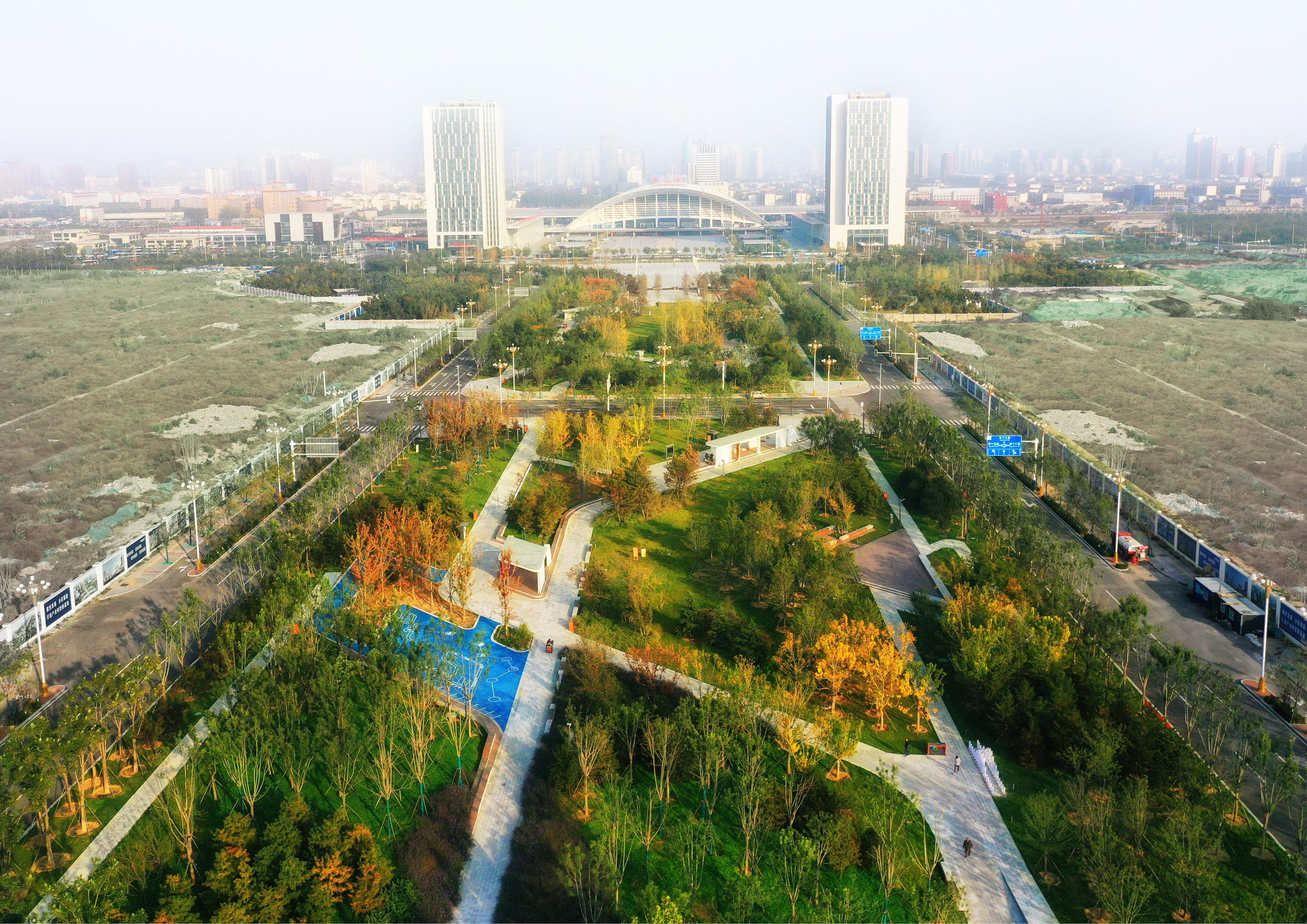
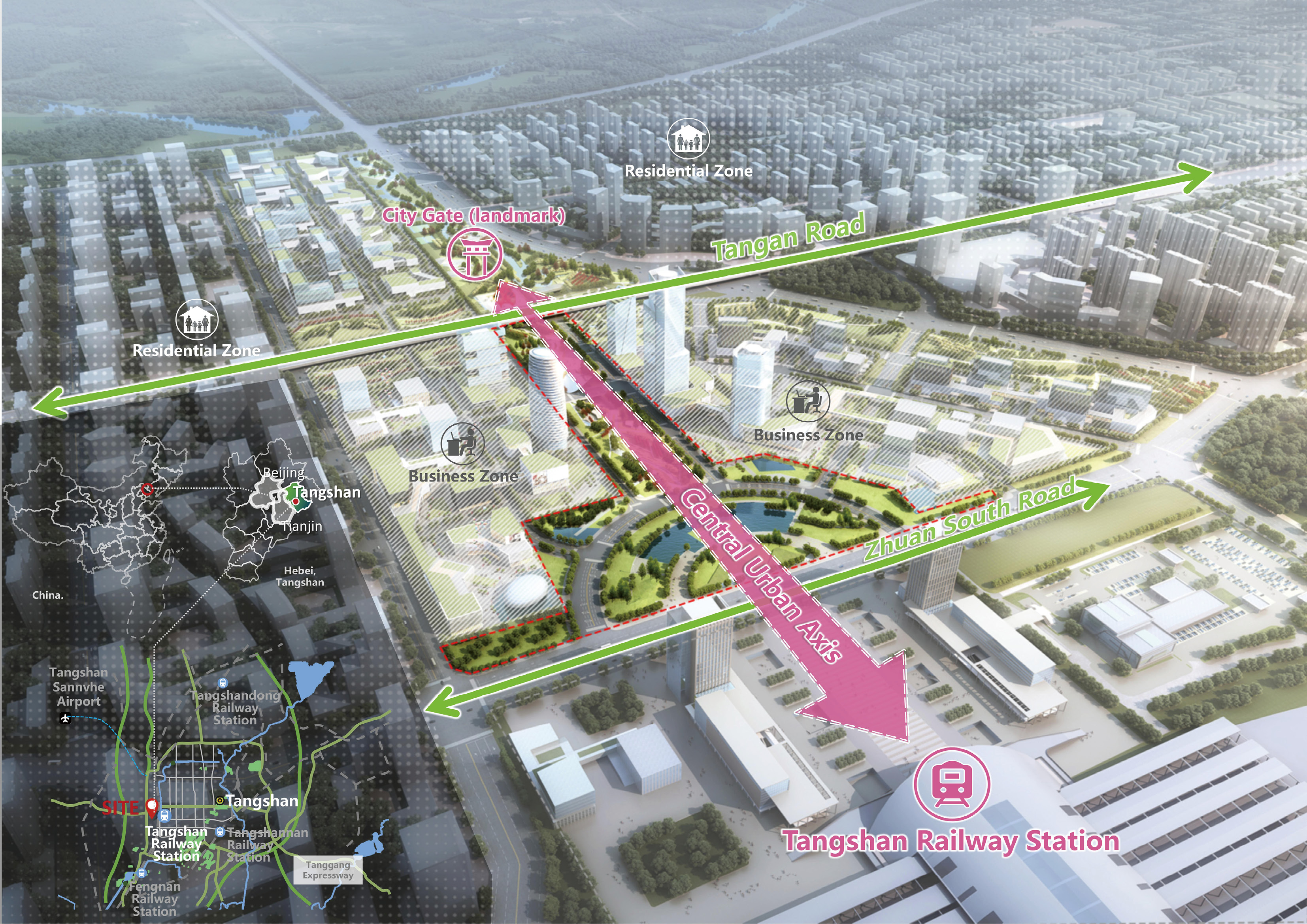
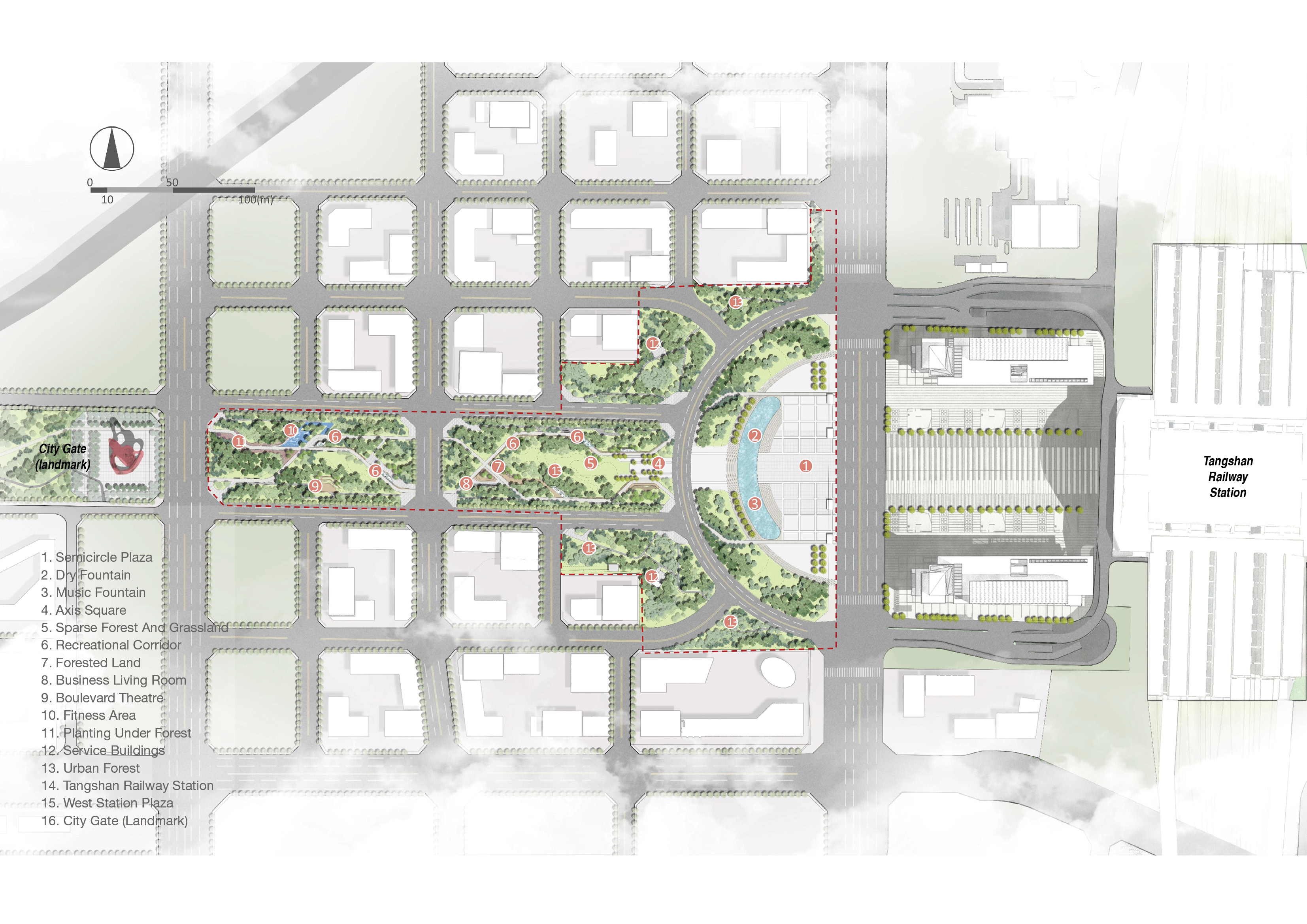
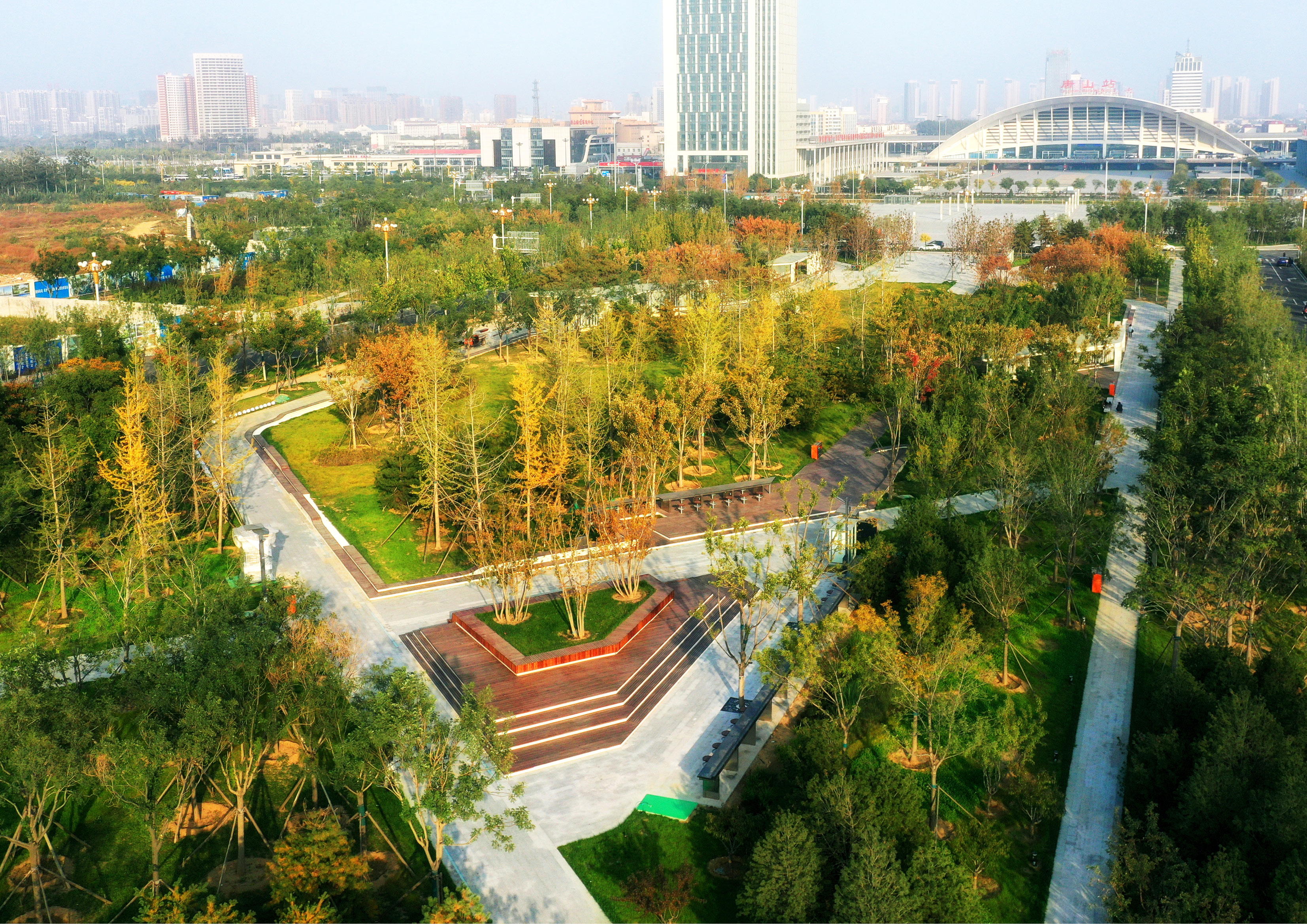
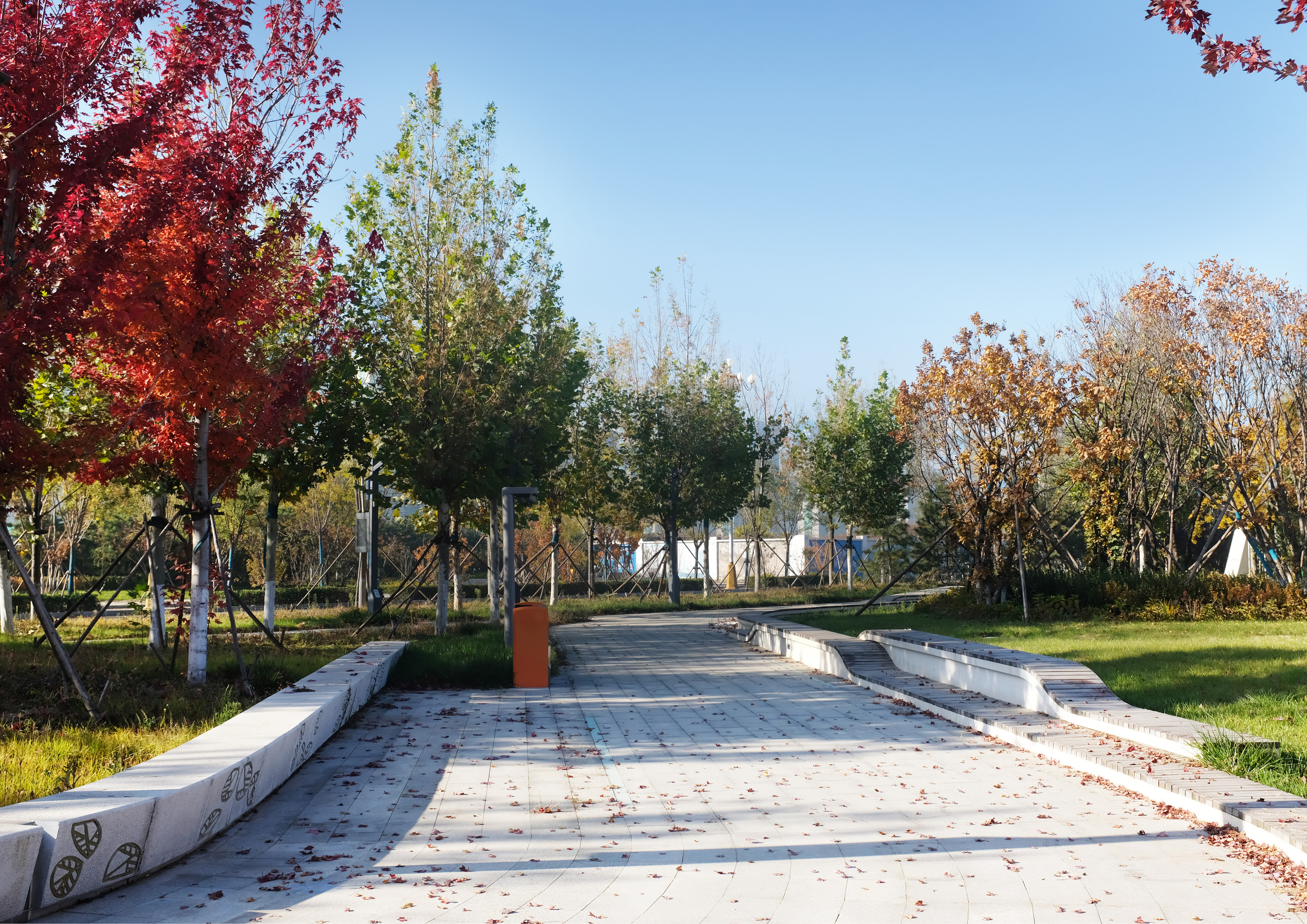
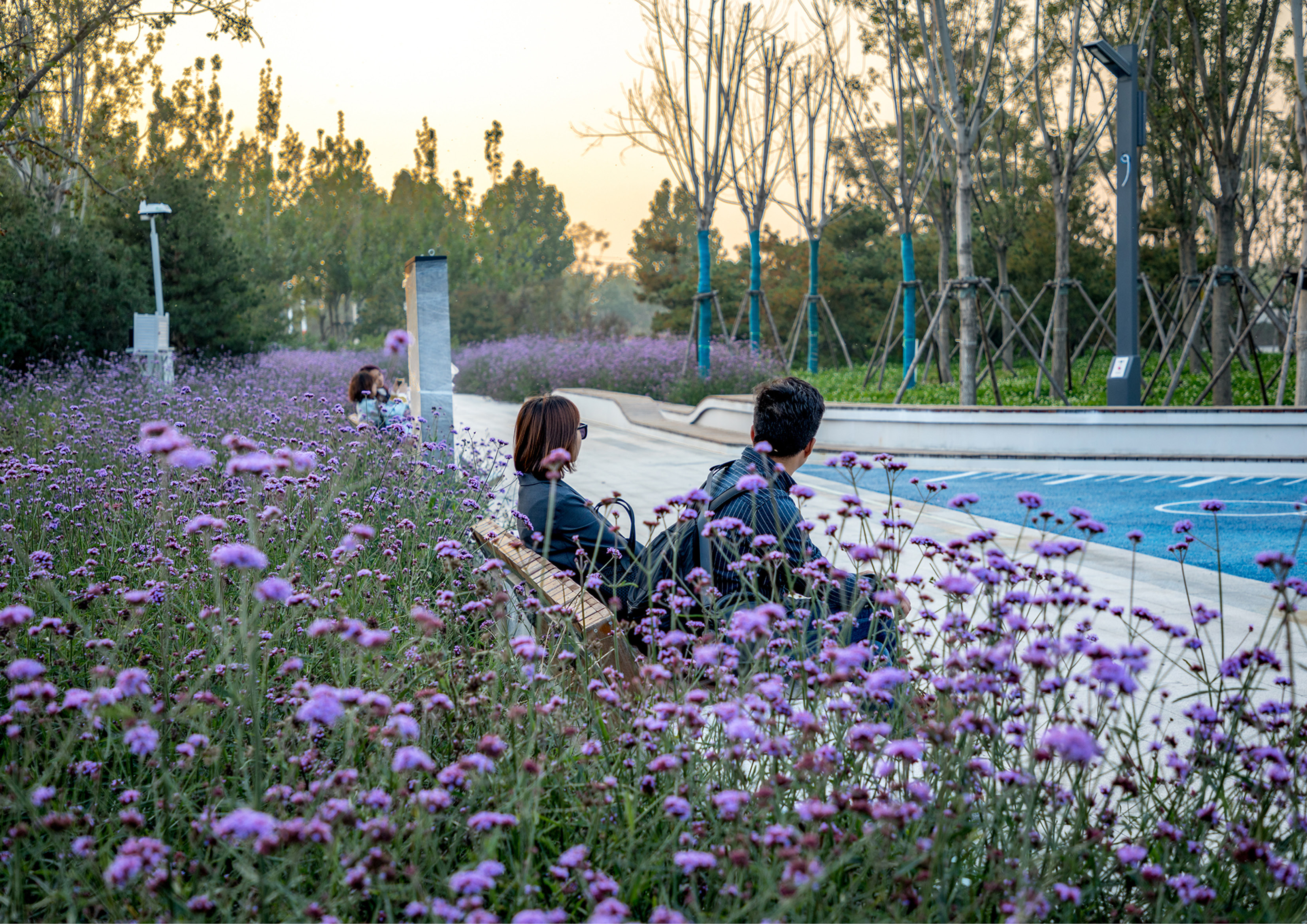
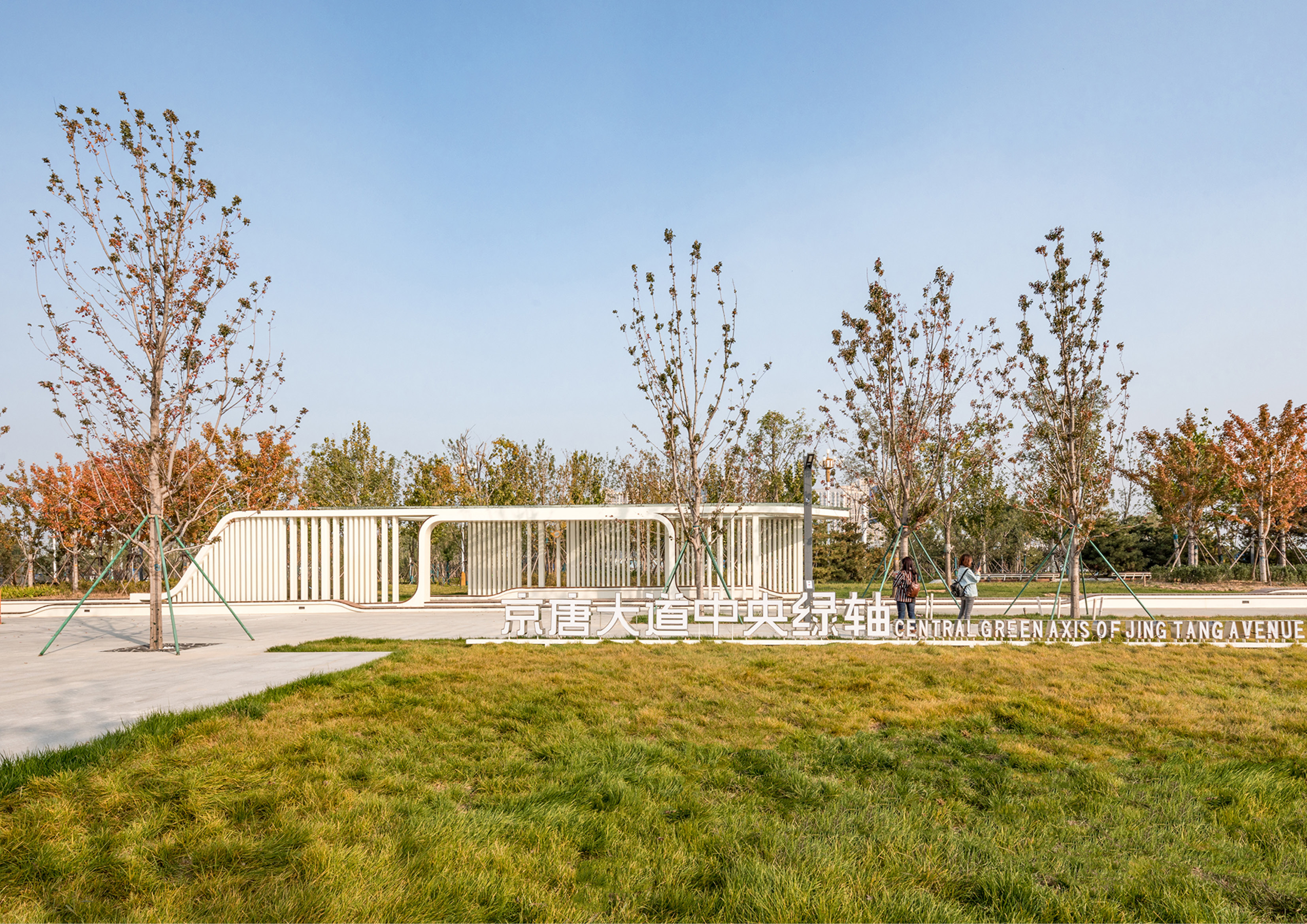
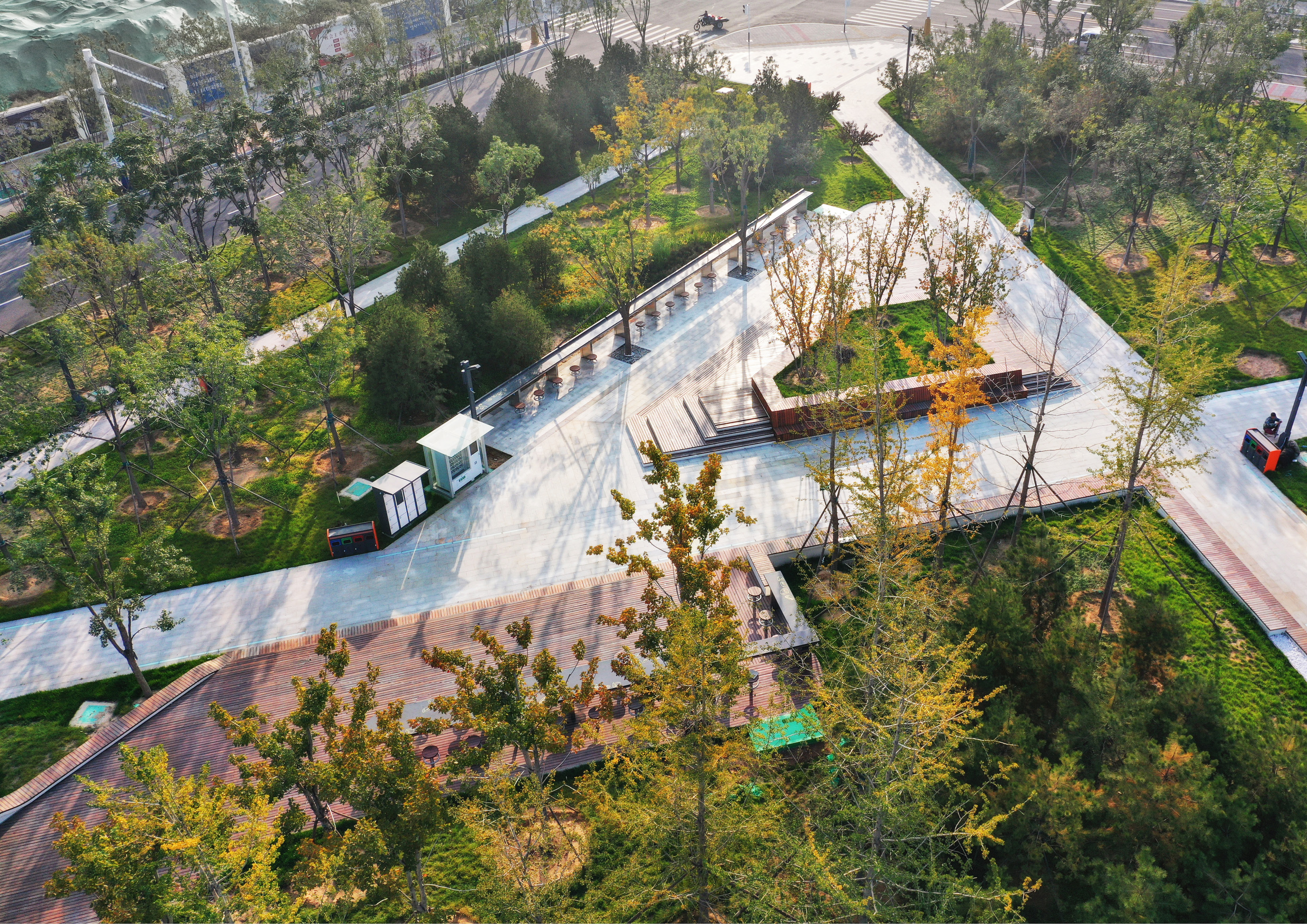
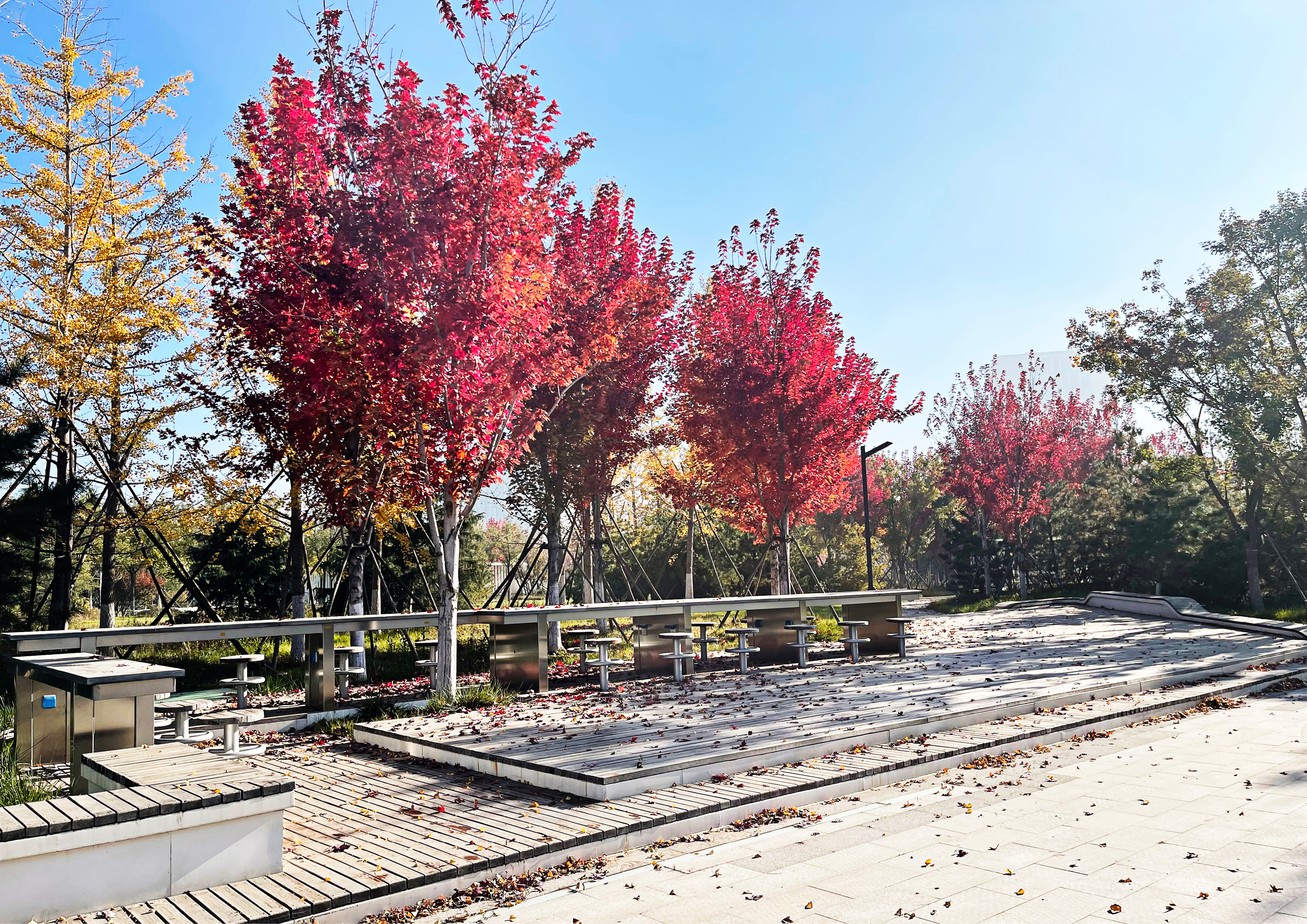
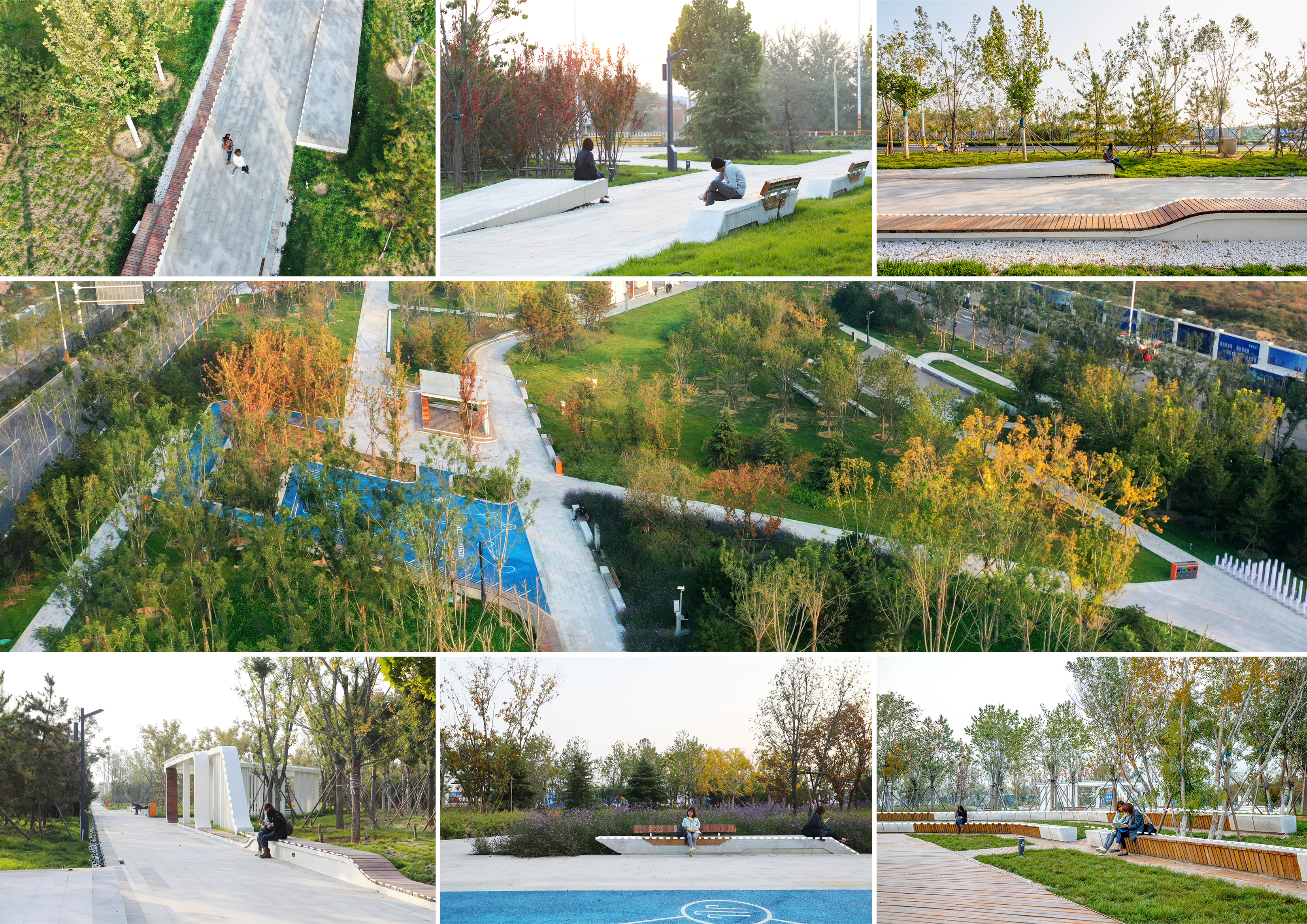
Image Credit : ZEHO ECO, Dadan Studio

Project Commissioner
Municipal Facilities Management Office of Lubei District, Tangshan City
Project Creator
Beijing ZEHO Waterfront Ecological Environment Treatment Co. Ltd.
Project Overview
The Central Green Axis of Jingtang Avenue project is located in the middle of West district of Tangshan Station (Zhanxi), a newly developed urban area of Tangshan, China. The space has a total length of 1 km and a total area of 119,000 square meters. Its east side faces Zhanxi Square, near Tangshan High-speed Railway Station, while its west side borders the Zhanxi landmark City Gate, forming a vital gateway between the area’s urban landscape. Based on the design concept of “Growth and Fusion”, the project creates an urban green corridor linking the old and new urban areas of Tangshan. A model for new urban construction in the Zhanxi area, the Central Green Axis of Jingtang Avenue is also representative of Tangshan’s ongoing transformation from a traditional manufacturing city to a city of low carbon emissions, diversified development, and intelligent infrastructure.
In this project, the design team deeply reflected on the environmental issues brought about by urbanization. Using methodology and research findings from ecology, the Central Green Axis was built as an urban green lung to help reduce carbon emissions. Shaded by abundant trees, it provides numerous activity spaces such as a public square, outdoor offices, and a theater. These features meet the demands of Tangshan residents and provide an interface for future regional development.
Team
Min Ying, Wang Shu, Bian Ting, Xu Wei, Jiang Yunlu, Han Chunhui, Jin Guilong, Chen Xiao, Zhang Wenyao, Jia Yulong, Li Jianglong, Song Wei, Fu Zhixiong, Shuai Kai, Xue Jingjing
Project Brief
The project is located in the center of the West area of Tangshan Railway Station (Zhanxi), a newly developed urban area of Tangshan, China. The space has a total length of 1 km and a total area of 119,000 square meters. Its east side faces Zhanxi Square, near Tangshan High-speed Railway Station, while its west side borders the Zhanxi landmark City Gate, forming a vital gateway between the area’s urban landscapes. Based on the design concept of “Growth and Fusion”, the project creates an urban green corridor linking the old and new urban areas of Tangshan. A model for new urban construction in the Zhanxi area, the Central Green Space of in the West Area of Tangshan Railway Station, represents Tangshan’s ongoing transformation from a traditional manufacturing city to a city of low carbon emissions, diversified development, and intelligent infrastructure.
In this project, the design team reflected on the environmental issues brought about by urbanization. Using approaches and research findings from ecology, the Central Green Space was built as an urban green lung to help reduce carbon emissions. Shaded by abundant trees, it provides diverse activity spaces such as public square and theater.
Applying the concept of “Growth and Fusion”, the design team divided the Central Green Space landscape design into three linear veins: ecology, culture, and convenience. The project set up an ecological base, created a diverse experiential landscape space, and implemented smart infrastructure, providing vigorous support for the future development of the area.
Project Innovation/Need
The Central Green Axis of Jingtang Avenue project, as a pilot project in the new urban area of Zhanxi, is a model for projects of similar size and scope throughout China. With an eye toward the future functional needs and potential challenges of the space, this growth-oriented green landscape infrastructure was realized. While improving the daily living environment of local residents, the Central Green Axis also helps the city of Tangshan make social, economic, and ecological contributions to solving the problem of climate change, and ultimately achieve its goal of carbon neutrality.
Design Challenge
Zhanxi is an area that has been aggressively targeted for development by the Tangshan government. Currently, many of its projects are still in the planning stage. Zhanxi is envisioned as a place that will gather businesses, offices, hotels, exhibition centers, and other industrial functions to attract businesspeople traveling to and from Beijing, Tianjin, and Hebei. The Central Green Axis is one of the first urban green space projects in Zhanxi. Its construction seeks to address three primary issues: designing an efficient, sustainable green corridor in a city with high carbon emissions; matching the high-end aesthetic aimed for in the new urban area; and meeting the massive foot traffic demands of travelers from the Tangshan High-speed Railway Station. Realizing the economic benefits of this valuable land became a major challenge in the design of this project.
Sustainability
The design team held extensive discussions with material suppliers and construction contractors to evaluate carbon emission and sequestration throughout the life cycle of the required commodities and services. Each group aimed to minimize unnecessary mechanical operations in order to actively and effectively control greenhouse gas emissions into the atmosphere during the project. It was also decided to grow plants with high carbon sink so that the green space can give full play to improving environmental ecology and reducing greenhouse effect.
Low-carbon technology and products were widely used in the construction process. The roads are made out of pervious concrete, pervious brick, recycled aggregate, and other artistic paving materials (i.e. cement substitutes such as slag, fly ash, and silicon powder). Local materials and multi-dimensional processes were selected to reduce energy consumption. These choices significantly reduced the project’s overall carbon footprint and the time required to offset carbon emissions during construction.
Landscape Design - International
This award celebrates creativity and innovation in the use of practical, aesthetic, horticultural, and environmentally sustainability components, taking into account climate, site and orientation, site drainage and irrigation, human and vehicular access, furnishings and lighting.
More Details